
Furniture Trends Shaping the Future of Workspaces
Workspaces are evolving faster than ever. With the rise of hybrid work, changing employee expectations, and a growing focus on well-being, furniture is no longer just about filling a space; it plays an important role in shaping how people work, feel, collaborate, and perform.
As organizations adapt to new ways of working, furniture trends are shifting to support greater comfort, flexibility, and productivity.
Here are some of the key furniture trends shaping the future of modern workspaces.
1. Human-Centered Design Takes Priority
Today’s offices are being designed with people in mind, not just productivity. Furniture is becoming more ergonomic, adjustable, and supportive of the diverse needs of today’s workforce.
Why it matters:
Employee comfort and well-being are now essential considerations. Ergonomic furniture helps reduce physical strain, supports better posture, and can improve focus and overall workplace satisfaction.
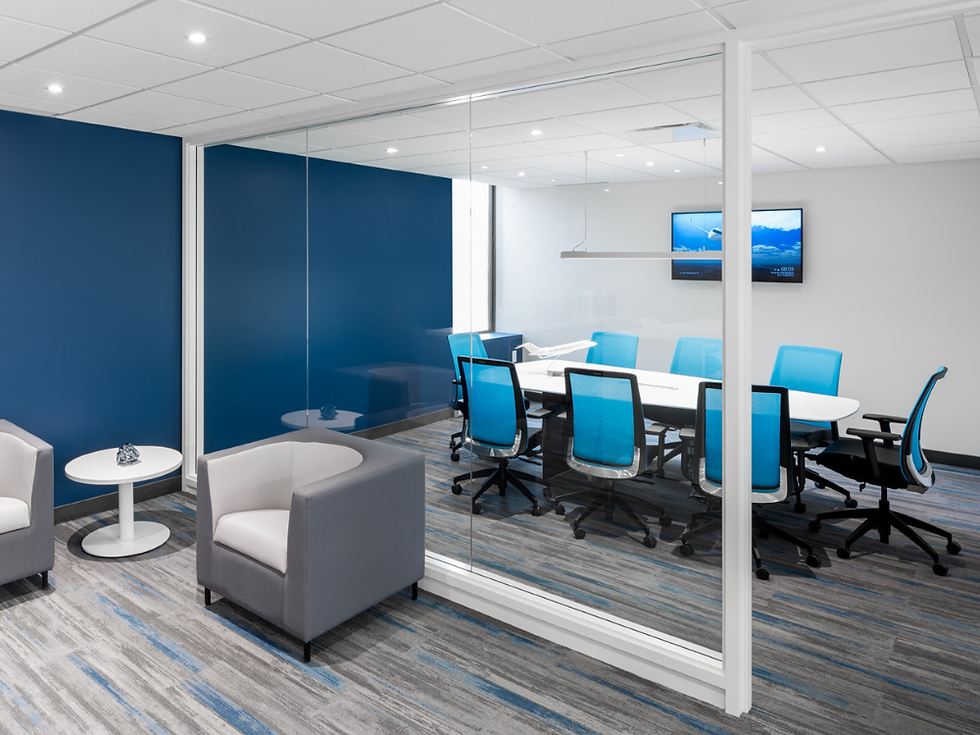
2. Flexibility and Modular Design
Today’s workplaces need to adapt quickly to changing team sizes, work styles, and business needs. As a result, traditional static office layouts are being replaced by flexible furniture solutions that can be easily rearranged, expanded, or repurposed as needed.
What this looks like:
Modular desks and seating
Reconfigurable layouts
Multi-purpose furniture systems
Why it matters:
Flexible furniture helps businesses maximize their space, support different ways of working, and adapt to change without the cost and disruption of a complete office redesign.
3. Hybrid Workspaces Drive Design
As hybrid work continues to shape the modern workplace, office environments are evolving to support employees who split their time between the office and remote locations. Rather than designing spaces for full-time occupancy, organizations are creating workplaces that accommodate a variety of tasks, work styles, and collaboration needs.
What this means for furniture:
Shared workstations and neighborhood-style layouts
Touchdown spaces and collaboration zones
Furniture that supports both individual and team-based work
Why it matters:
Hybrid work requires adaptable spaces that can seamlessly transition between focused work, collaboration, and informal meetings throughout the day, helping employees stay productive no matter where they work.

4. More Choice and Control for Employees
Modern workplaces are moving away from a one-size-fits-all approach. Instead, employees are given more flexibility to choose where and how they work based on the task at hand.
Examples include:
Quiet zones and private pods
Open collaboration areas
Lounge-style seating
Why it matters:
Different tasks require different environments. Providing a variety of work settings helps improve focus, productivity, and overall employee satisfaction.
5. Sustainability Becomes Standard
Sustainability is no longer just a trend it's becoming a core consideration in workplace design. Organizations are increasingly investing in furniture that is built to last and minimize environmental impact.
What to look for:
Recyclable or responsibly sourced materials
Modular systems that reduce waste
Furniture designed for long-term use
Why it matters:
Sustainable furniture supports environmental goals while also delivering long-term value through durability and reduced replacement costs.
6. Residential Comfort in the Workplace
As employers focus more on employee well-being, offices are becoming warmer, more comfortable, and more inviting. Inspired by residential spaces, modern workplaces incorporate softer seating, natural materials, and relaxed layouts.
Why it works:
A comfortable and welcoming environment helps employees feel more at ease, supporting well-being, engagement, and overall workplace satisfaction.

7. Technology-Integrated Furniture
Technology plays a central role in today's workplace, and furniture is evolving to keep pace. Modern workspaces are incorporating solutions that make it easier for employees to stay connected, powered, and productive throughout the day.
Examples include:
Built-in power and charging
Cable management systems
Workstations designed for multiple screens
Why it matters:
Seamless technology integration helps reduce clutter, improve organization, and support more efficient workflows.
The future of the workplace isn't defined by a single design trend - it's defined by adaptability. As work continues to evolve, furniture is becoming more flexible, comfortable, and better aligned with how people actually work.
The most successful workspaces strike a balance between function, comfort, and flexibility, creating environments that can adapt to changing needs while supporting employee well-being and productivity. By investing in furniture that evolves alongside the workplace, organizations can create spaces that remain relevant, effective, and ready for the future.
Thinking about updating your office? Get in touch with our team to explore furniture solutions that support a more flexible, comfortable, and productive workplace.


